
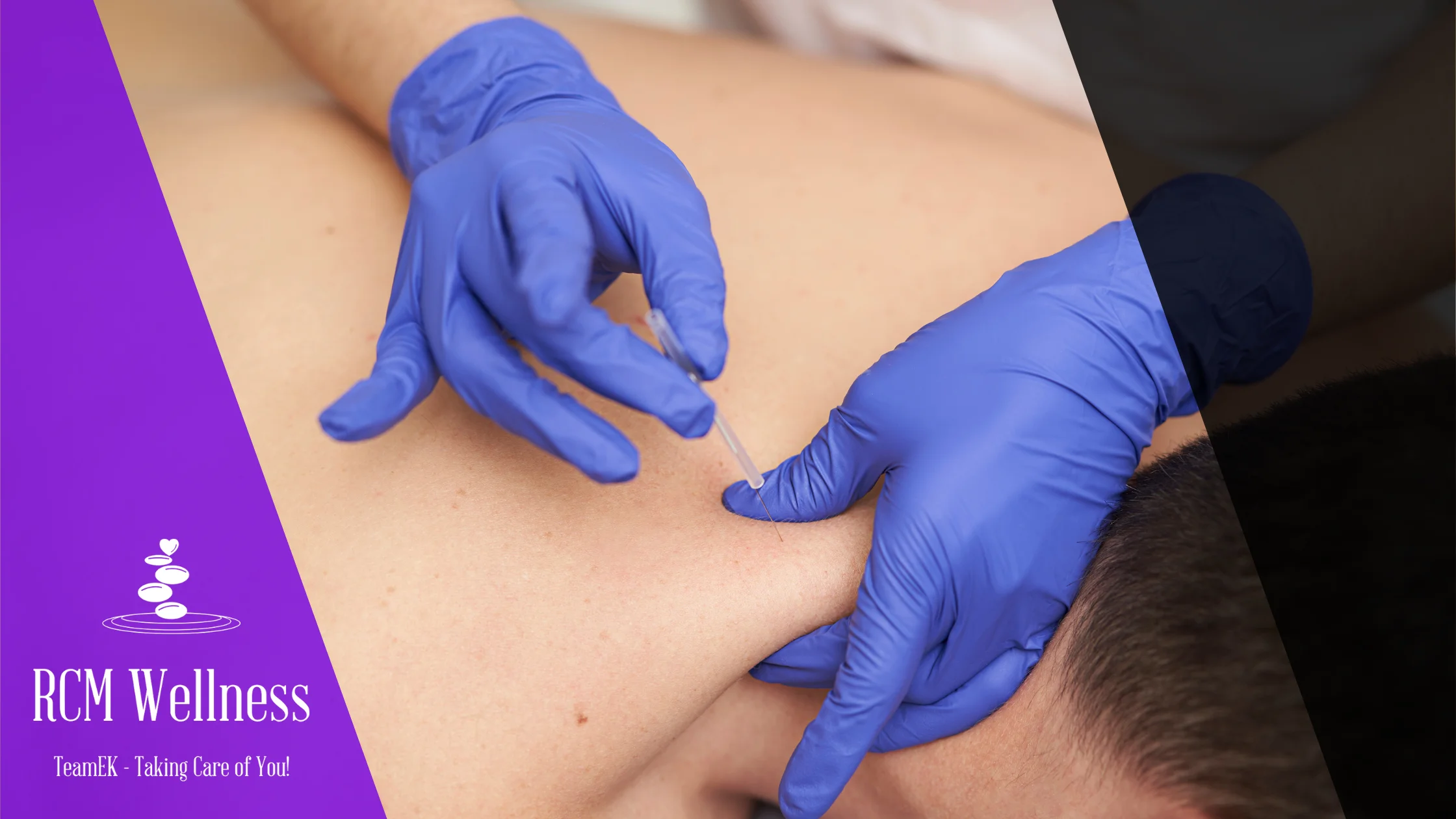
Dry needling is a technique used by physical therapists, chiropractors, and other healthcare professionals to treat musculoskeletal pain and dysfunction. It involves the insertion of thin, solid needles into specific trigger points or tight bands of muscles, known as myofascial trigger points, without injecting any substance (hence the term “dry” needling).
The primary goal of dry needling is to elicit a local twitch response in the muscle, which is believed to help release muscle tension and alleviate pain. It is thought to work through various mechanisms, including the stimulation of nerve fibers, modulation of pain pathways, and improvement of blood flow to the affected area.
Here are some key points about dry needling:
- Trigger Points: Dry needling typically targets trigger points, which are hyperirritable spots in the skeletal muscle. These points are often associated with taut bands of muscle fibers and can cause local and referred pain.
- Pain Relief: The insertion of the needles may lead to a twitch response in the muscle, which can help reduce muscle tension and improve flexibility. Some people experience immediate relief, while others may require multiple sessions.
- Conditions Treated: Dry needling is commonly used to address conditions such as chronic pain, muscle tightness, headaches, and musculoskeletal disorders. It is often integrated into a broader treatment plan that may include other physical therapy techniques.
- Safety: Dry needling is generally considered safe when performed by trained and licensed practitioners. However, as with any medical procedure, there are potential risks, including bruising, soreness, and, rarely, infection. It’s important to seek this treatment from qualified professionals.
- Differences from Acupuncture: While dry needling and acupuncture both involve inserting needles into the body, they differ in their principles and goals. Acupuncture is rooted in traditional Chinese medicine and aims to balance the flow of energy (Qi) along meridians, while dry needling focuses on the musculoskeletal system and aims to release muscle tension and alleviate pain.
If you’re considering dry needling as part of your treatment plan, it’s crucial to consult with a healthcare professional at RCM Wellness.