
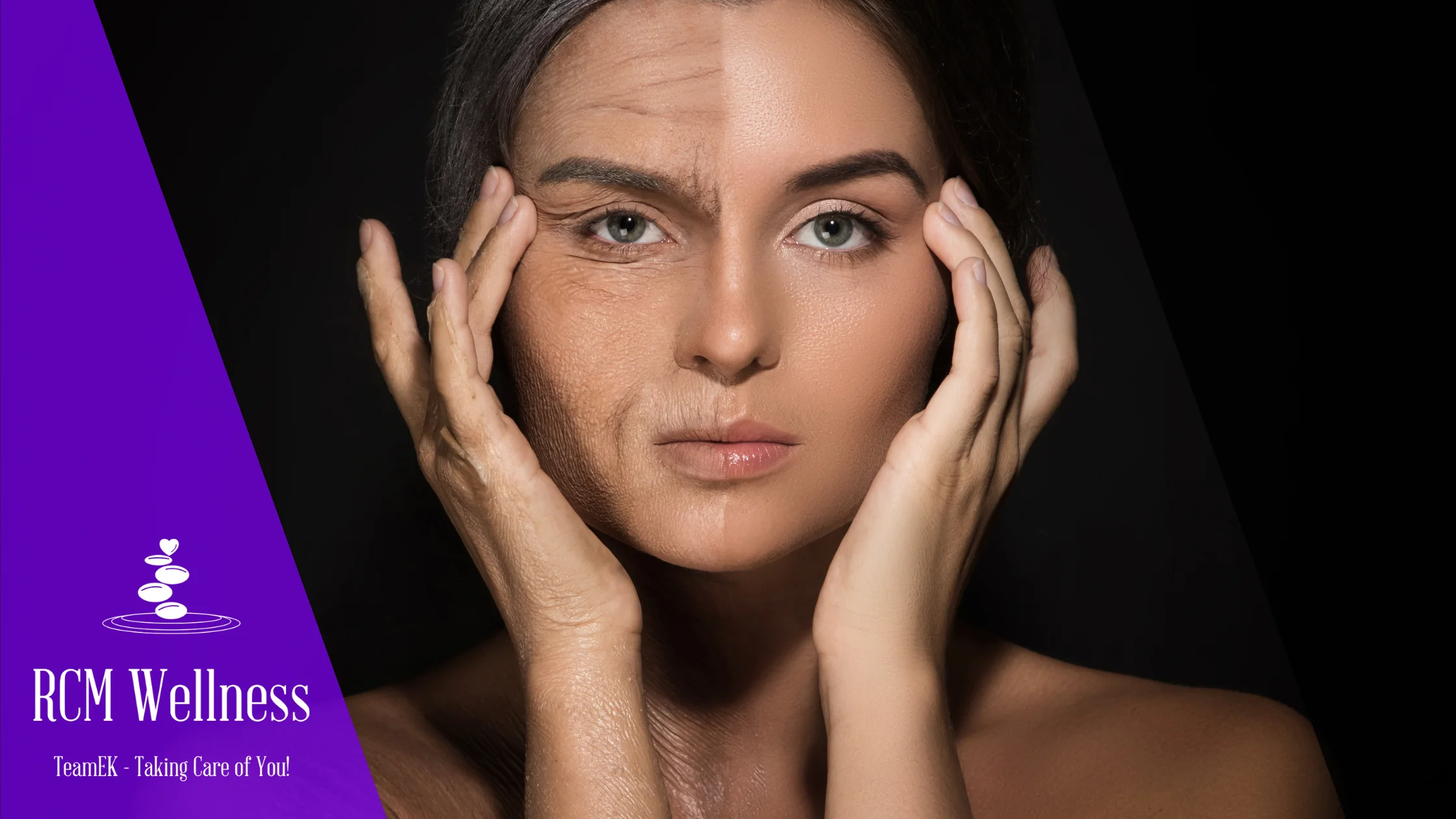
Facial regeneration and toning, which generally refers to skincare and beauty practices aimed at improving the appearance and health of the skin. Here are some general tips that you might find helpful:
- Cleanse regularly: Use a gentle cleanser to remove dirt, oil, and makeup from your face. Cleansing helps prevent breakouts and promotes overall skin health.
- Exfoliate: Regular exfoliation helps remove dead skin cells, promoting cell turnover and a more radiant complexion. However, be cautious not to over-exfoliate, as it can irritate the skin.
- Moisturise: Keep your skin hydrated with a good-quality moisturiser. This helps maintain the skin’s elasticity and prevents dryness.
- Sun protection: Protect your skin from the harmful effects of the sun by using sunscreen with at least SPF 30. Sunscreen helps prevent premature aging and reduces the risk of skin cancer.
- Healthy lifestyle: Adequate sleep, a balanced diet, and regular exercise contribute to overall skin health. These factors can also positively impact your complexion and skin tone.
- Facial exercises: Some people incorporate facial exercises into their routine to help tone and tighten the muscles in the face. However, scientific evidence supporting the effectiveness of facial exercises is limited.
- Serums and treatments: Depending on your specific skin concerns, you might consider incorporating serums or treatments into your routine. For example, vitamin C serums can help brighten the skin, while retinoids can promote collagen production and reduce the appearance of fine lines.
- Professional treatments: If you’re looking for more advanced options, you may explore professional treatments such as chemical peels, microdermabrasion, or laser therapy. Consult with a dermatologist or skincare professional to determine the best options for your skin type and concerns.
Remember that everyone’s skin is unique, and it’s essential to tailor your skincare routine to your specific needs. If you have specific skin concerns or conditions, it’s advisable to consult with a dermatologist for personalised advice and recommendations.