
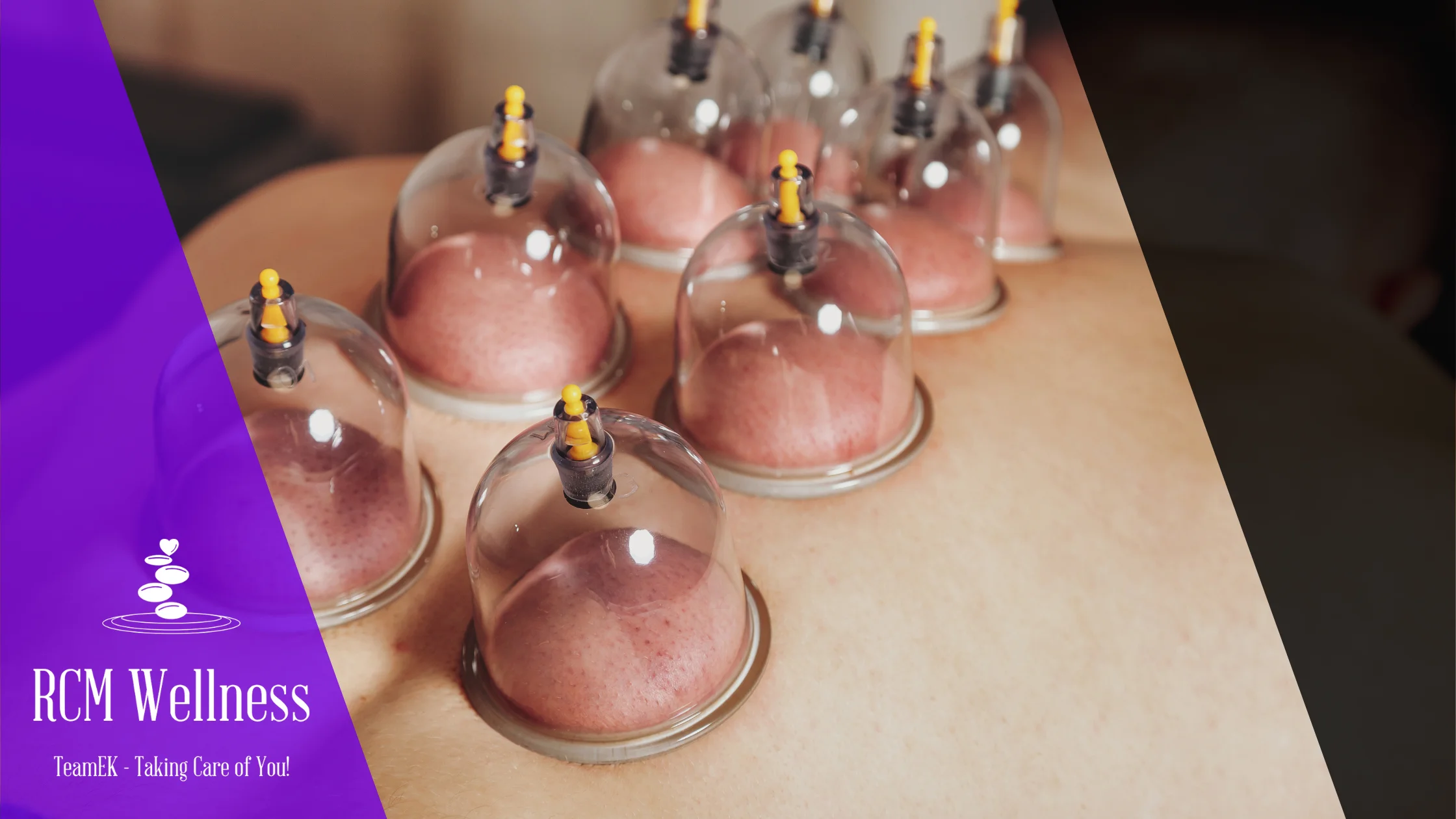
Dry cupping is a traditional therapeutic technique that involves placing cups on the skin to create suction. The suction is typically created by heating the air inside the cup and then placing it on the skin, causing the air to cool and create a vacuum. This vacuum effect draws the skin and underlying tissue into the cup.
Here’s a general overview of how dry cupping is typically performed:
- Preparation: The therapist will begin by examining the patient’s skin to identify areas for cupping. They may also apply oil or lotion to facilitate smooth movement of the cups.
- Cup Placement: The cups are usually made of glass, bamboo, or silicone. The therapist heats the air inside the cup by briefly placing a flame inside it or using other methods, then quickly places the cup on the patient’s skin. The cooling air creates a vacuum, pulling the skin into the cup.
- Suction Duration: The cups may be left in place for a few minutes or moved around the skin to create a massage-like effect. The duration and placement depend on the therapist’s assessment and the patient’s condition.
- Removal: To remove the cups, the therapist often breaks the seal by introducing air back into the cup, allowing it to be easily lifted off the skin.
Dry cupping is often used for various purposes, including:
– Pain Relief: It is believed that cupping can help alleviate pain by promoting blood flow and reducing muscle tension.
– Inflammation Reduction: Cupping is thought to have anti-inflammatory effects, and it may be used to address conditions involving inflammation.
– Relaxation: Some people find cupping to be a relaxing and stress-reducing therapy.
– Detoxification: Although the scientific evidence is limited, some proponents suggest that cupping can help remove toxins from the body.
It’s important to note that while dry cupping has been practiced for centuries in various cultures, scientific studies on its effectiveness are limited and mixed. Some people find it beneficial for certain conditions, while others may not experience significant benefits. As with any alternative therapy, it’s advisable to consult with a healthcare professional before trying cupping, especially if you have any underlying health conditions.