
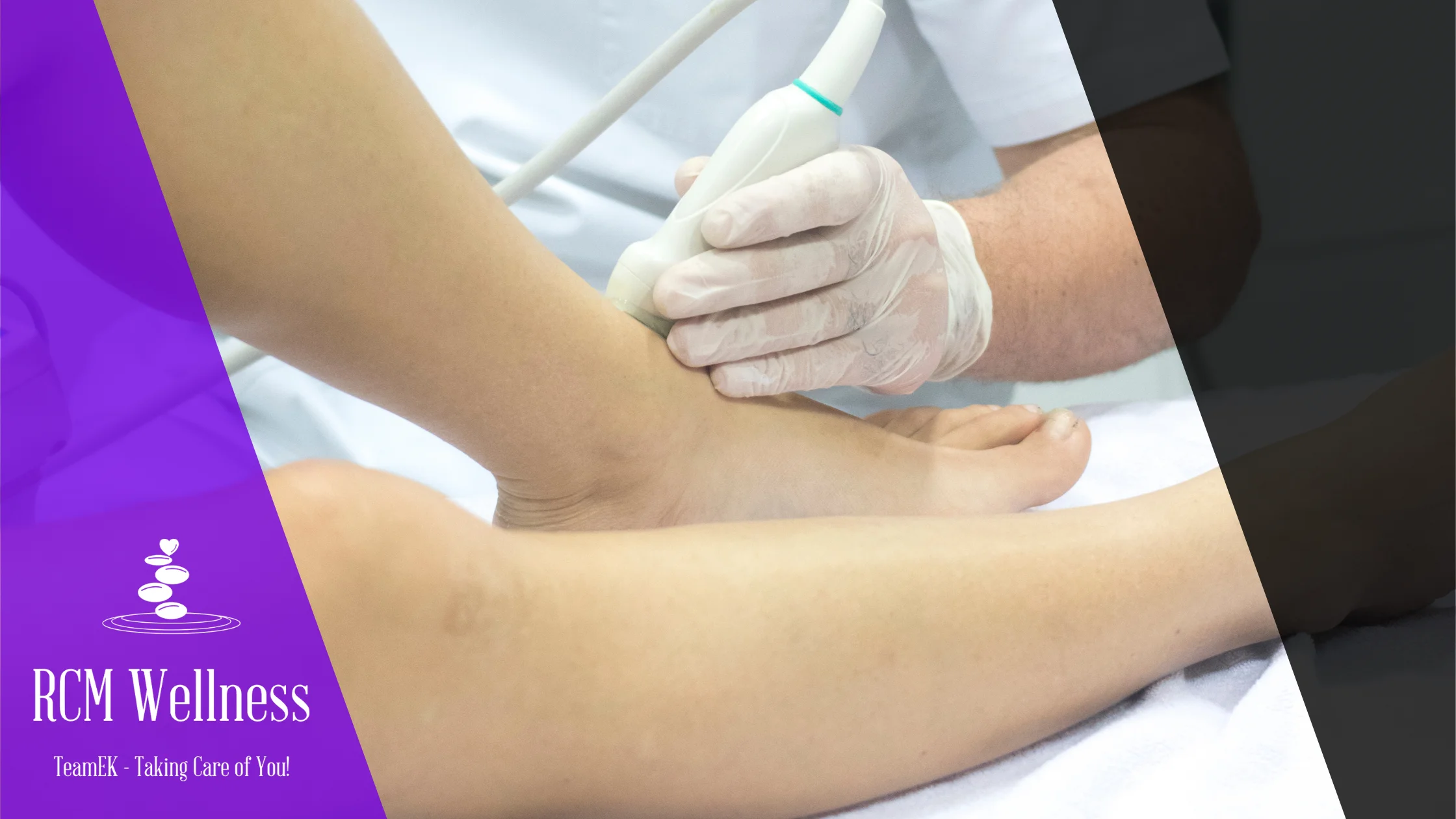
Ultrasound treatment is a form of physical therapy commonly used to treat various musculoskeletal conditions, including sports injuries. It utilises high-frequency sound waves to stimulate tissue beneath the skin’s surface, promoting healing and reducing pain and inflammation. Here’s an overview of how ultrasound treatment is used for sports injuries:
- Principle:
Ultrasound devices generate sound waves at a frequency higher than the upper audible limit of human hearing (typically between 1 and 3 MHz). These waves penetrate the skin and underlying tissues, causing a vibration at the cellular level. This vibration can lead to increased tissue metabolism, improved blood flow, and a reduction in inflammation. - Therapeutic Effects:
Ultrasound treatment is believed to have several therapeutic effects, including:
– Increased Blood Flow: The sound waves cause small blood vessels to dilate, promoting better circulation and nutrient delivery to the injured area.
– Reduced Inflammation: Ultrasound may help decrease inflammation by enhancing the removal of inflammatory substances from the affected area.
– Promotion of Healing: The increased metabolic activity stimulated by ultrasound may accelerate tissue repair and promote the formation of collagen, a key component of connective tissues. - Indications:
Ultrasound therapy is often used for sports injuries such as:
– Sprains and Strains: Ultrasound can be beneficial in treating ligament and muscle injuries.
– Tendonitis: Inflammation of tendons, common in sports injuries, may respond well to ultrasound therapy.
– Bursitis: Inflamed bursae, small sacs filled with fluid that cushion joints, can benefit from ultrasound treatment.
– Joint Injuries: Ultrasound may be used in conjunction with other therapies for certain joint injuries. - Treatment Process:
– Application of Gel: A special ultrasound gel is applied to the skin over the injured area to facilitate the transmission of sound waves.
– Moving the Transducer: The therapist moves the ultrasound transducer in a circular or back-and-forth motion over the injured area.
– Duration and Frequency: Treatment sessions typically last between 5 and 15 minutes, and the frequency and duration of sessions depend on the specific injury and individual response. - Precautions:
– Professional Supervision: Ultrasound therapy should be administered by a trained healthcare professional.
– Pregnancy: It is generally avoided over the abdomen and lower back in pregnant individuals.
– Open Wounds: Ultrasound should not be applied directly over open wounds or areas with impaired sensation. - Evidence and Controversies:
– The effectiveness of ultrasound treatment has positive effects in certain conditions.