
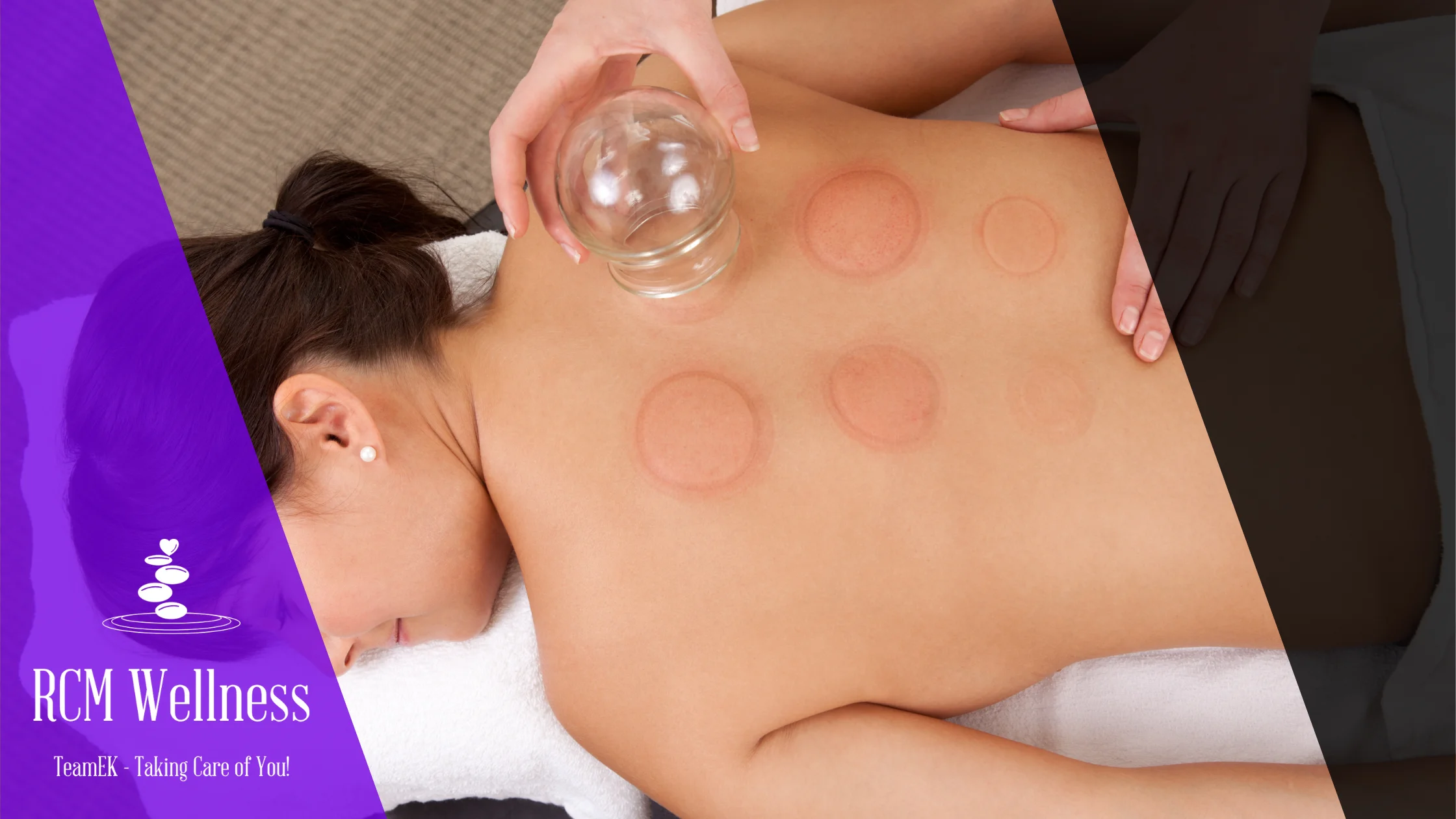
Dry cupping is a traditional therapy that has been used in various cultures for centuries, and it involves placing cups on the skin to create suction. The suction is believed to promote healing by increasing blood flow, reducing inflammation, and promoting relaxation of muscles and connective tissue. In the context of sports, dry cupping is sometimes used as a complementary therapy to help athletes with recovery and performance. Here are some key points about dry cupping for sports:
- Mechanism of Action:
– Increased Blood Flow: Cupping is thought to increase blood circulation to the area where the cups are applied. This can potentially help deliver more oxygen and nutrients to the muscles, promoting faster recovery.
– Reduced Muscle Tension: The suction created by the cups can help release tight muscles and fascia, promoting relaxation and reducing muscle tension. - Benefits for Athletes:
– Muscle Recovery: Dry cupping is often used as a tool to aid in muscle recovery after intense physical activity.
– Pain Relief: Athletes may use cupping to alleviate muscle soreness and pain, particularly in areas where they experience tightness or discomfort.
– Improved Range of Motion: By promoting muscle relaxation, cupping may contribute to improved flexibility and range of motion. - Application:
– Cup Placement: Cups are typically placed on specific points on the body, often along meridians or over areas of muscle tension.
– Duration of Treatment: The duration of cupping sessions can vary, but it is generally a relatively short-term therapy. - Precautions:
– Bruising: Cupping can cause temporary discoloration or bruising on the skin due to the suction. This is a normal response and usually fades within a few days.
– Professional Application: It’s advisable to seek dry cupping from a trained and experienced practitioner to ensure proper technique and minimise the risk of injury. - Research and Evidence:
– While some athletes and practitioners believe in the benefits of dry cupping, scientific evidence supporting its effectiveness is mixed. Some studies suggest potential benefits, while others find limited or no significant effects. - Integration with Other Therapies:
– Dry cupping is often used in conjunction with other recovery strategies, such as massage, stretching, and ice baths. - Athlete Preferences:
– Athletes’ experiences with cupping can vary, and individual preferences may influence whether they choose to include it as part of their recovery routine.