
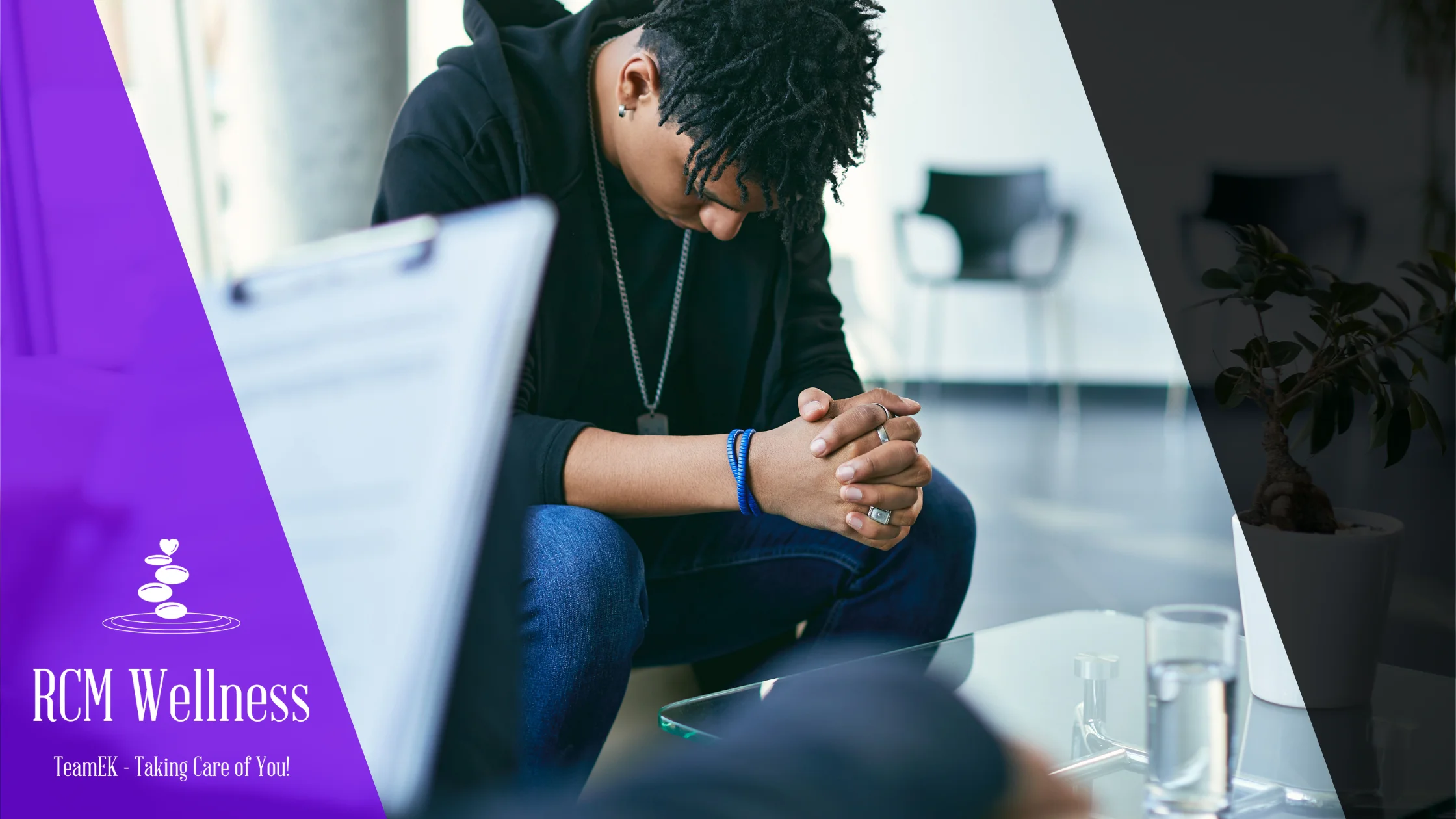
Counseling and psychotherapy are therapeutic practices that involve trained professionals working with individuals, couples, or groups to address emotional, psychological, and behavioral issues.
- Counseling:
– Focus: Counseling typically focuses on specific issues, challenges, or life transitions. It is often shorter-term and solution-focused.
– Goals: The primary goal is to help individuals cope with immediate issues, make decisions, and develop coping strategies.
– Approach: Counseling often uses a collaborative and directive approach. It may involve cognitive-behavioral techniques, problem-solving, and skill-building. - Psychotherapy:
– Focus: Psychotherapy, on the other hand, tends to delve deeper into long-standing patterns of thinking, feeling, and behaving. It often involves exploring the root causes of problems.
– Goals: The goals of psychotherapy may include gaining insight into oneself, resolving inner conflicts, and making fundamental personality changes.
– Approach: Psychotherapy encompasses various therapeutic approaches, such as psychodynamic, humanistic, behavioral, and cognitive-behavioral. It often involves a more open-ended and exploratory process.
Both counseling and psychotherapy involve a therapeutic relationship between the client and the therapist, built on trust and confidentiality. Therapists in both fields undergo extensive training and often hold advanced degrees in psychology, counseling, or social work.
Common Therapeutic Techniques:
- Cognitive-Behavioral Therapy (CBT): Focuses on identifying and changing negative thought patterns and behaviors.
- Psychodynamic Therapy: Explores unconscious processes and unresolved conflicts that may contribute to current issues.
- Humanistic Therapy: Emphasises personal growth, self-actualisation, and the importance of the present moment.
- Existential Therapy: Explores the individual’s search for meaning and purpose in life.
- Family Therapy: Involves working with families to improve communication and resolve conflicts.
It’s important to note that the effectiveness of counseling or psychotherapy depends on the individual’s needs, the therapeutic relationship, and the specific techniques used. The choice between counseling and psychotherapy often depends on the nature and severity of the issues being addressed. Some individuals may benefit from short-term counseling for specific problems, while others may require more in-depth psychotherapy for complex, long standing issues.