
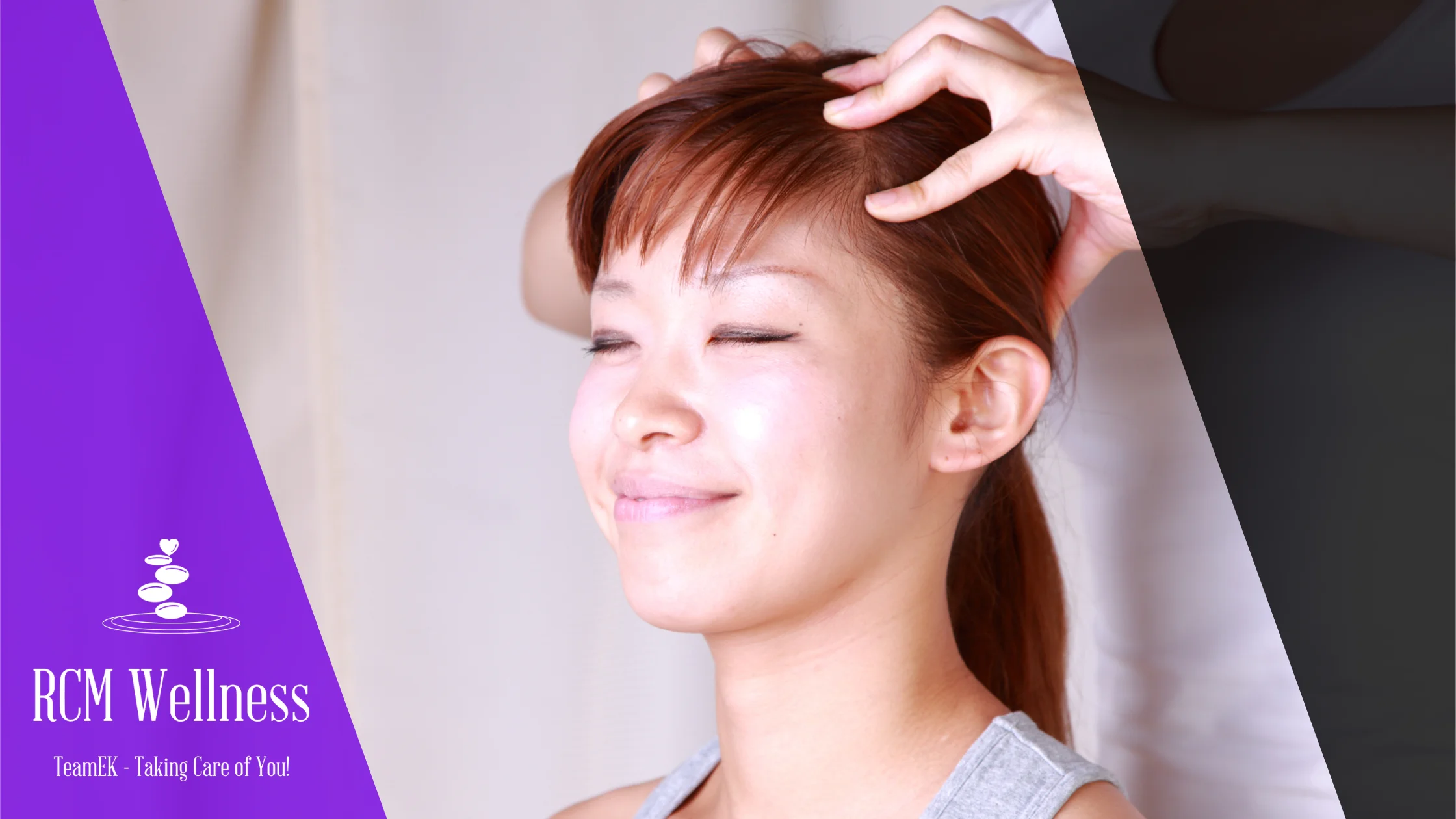
Indian Head Massage, also known as Champissage, is a traditional massage technique that originated in India over a thousand years ago. It is deeply rooted in the Ayurvedic healing system, which emphasises the balance of energy within the body to promote overall health and well-being.
15 Minutes - 30 Minutes
From: £10
Here are some key aspects of Indian Head Massage:
- Technique: Indian Head Massage primarily focuses on the head, neck, and shoulders. The massage therapist uses a variety of techniques, including circular motions, kneading, and acupressure, to release tension and promote relaxation. The massage is often performed while the recipient is seated.
- Benefits:
– Relaxation: Indian Head Massage is known for its ability to induce a deep sense of relaxation and stress relief.
– Improved Circulation: The massage techniques used can help improve blood circulation in the head and neck area.
– Hair and Scalp Health: The massage may also have benefits for the health of the hair and scalp, promoting hair growth and improving the condition of the scalp. - Ayurvedic Principles: Indian Head Massage is influenced by Ayurveda, which considers the balance of three doshas (Vata, Pitta, and Kapha) in the body. The massage aims to restore balance by promoting the flow of energy or prana throughout the body.
- Chakras: In Ayurveda and Indian philosophy, there are energy centers called chakras. Indian Head Massage often involves working on these energy centers, particularly those associated with the head and crown.
- Cultural Significance: In India, head massage is a common practice and is often performed within families as a way of promoting relaxation and bonding.
- Application: While Indian Head Massage has its roots in Ayurveda, it has been adapted and integrated into various wellness practices worldwide.
It’s important to note that while Indian Head Massage has many potential benefits, individual experiences may vary. If you’re considering getting an Indian Head Massage, it’s advisable to consult with a trained and qualified practitioner. Additionally, inform the therapist about any specific health concerns or conditions you may have.