
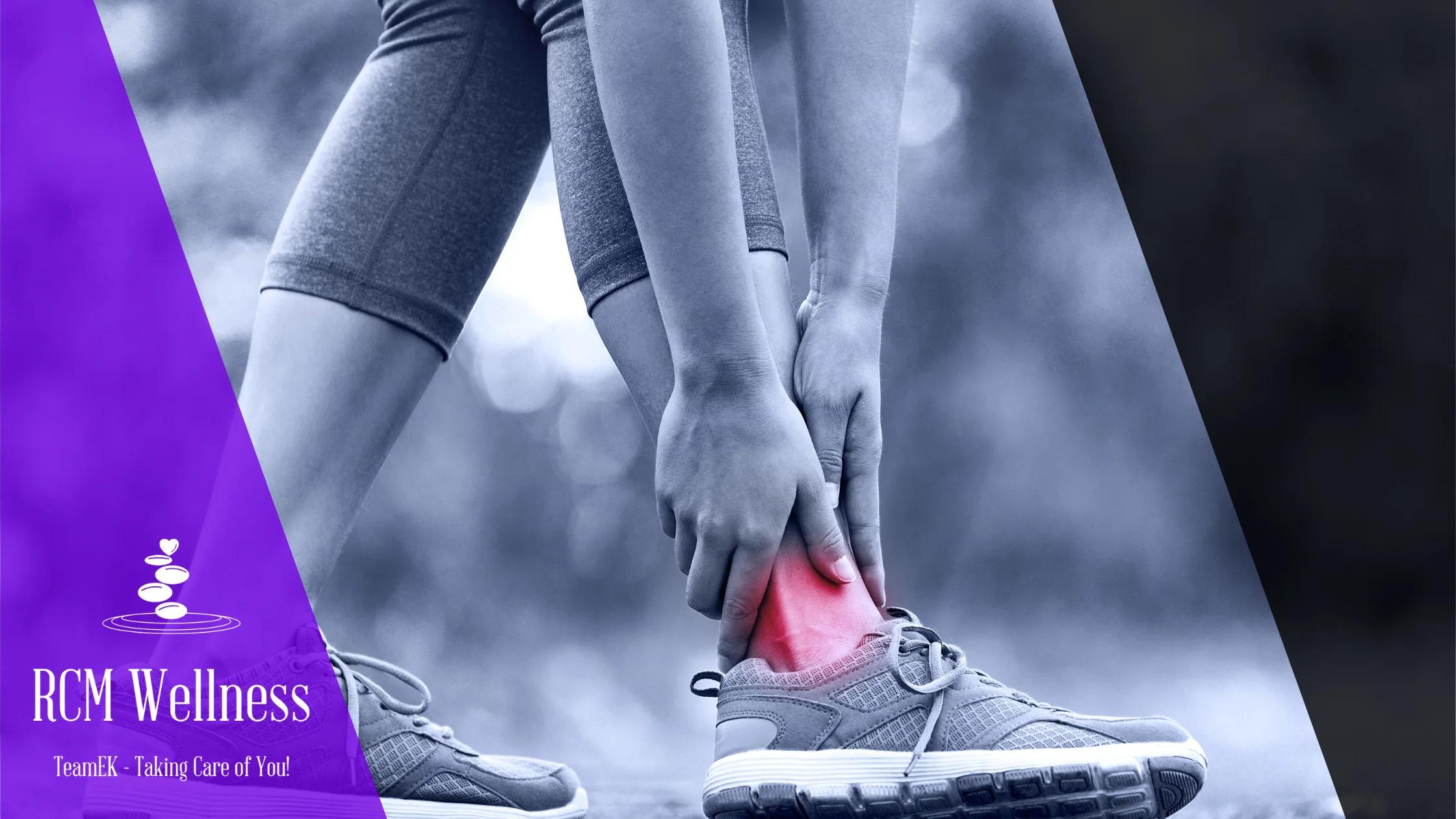
Whatever level you train at and whatever sport you take part in, caring for your muscles, sports injury treatment, or rehabilitating yourself effectively are all paramount for your activity levels to be maintained and your positive mood to be nurtured.
There is nothing more mentally debilitating than being out of action due to a niggle or an injury. RCM Wellness has every element covered from sports injury treatment, prevention, and rehabilitation to prediction and prevention. Acute or chronic pain is taken very seriously by all our staff at the centre. We have personal and professional experience of this and consequently, we have developed a variety of sports injury treatments & techniques to work either in isolation or in conjunction with each other to gain a better quality of life for yourself and subsequently your loved ones that worry.
Sports therapy, also known as sports rehabilitation or sports medicine, is a specialised branch of healthcare that focuses on the prevention, treatment, and rehabilitation of injuries related to sports and exercise. Sports therapists work with athletes and active individuals to help them recover from injuries, improve their performance, and prevent future problems. Here are some key aspects of sports therapy:
- Injury Prevention:
– Sports therapists assess the risk factors for injuries and develop strategies to prevent them.
– They may provide advice on proper warm-up and cool-down routines, as well as techniques to improve flexibility and strength. - Injury Assessment:
– When an athlete sustains an injury, sports therapists assess the extent of the damage and determine the most appropriate course of action.
– They may use diagnostic tools such as imaging studies and clinical examinations to understand the nature and severity of the injury. - Treatment and Rehabilitation:
– Sports therapists design and implement rehabilitation programs to help athletes recover from injuries.
– Treatment may involve a combination of exercises, manual therapy, and other modalities to improve mobility, strength, and function.
– They may work closely with other healthcare professionals, such as physiotherapists, orthopedic specialists, and nutritionists, to provide comprehensive care. - Injury Management:
– Sports therapists assist athletes in managing their injuries during competitions or events.
– This may involve providing immediate first aid, taping, bracing, or other interventions to allow athletes to continue or safely complete their activities. - Performance Enhancement:
– Sports therapists collaborate with athletes to optimise their performance.
– They may develop training programs to improve strength, flexibility, and endurance while minimising the risk of injuries. - Education and Counseling:
– Sports therapists educate athletes about injury prevention, proper techniques, and the importance of rest and recovery.
– They may also provide psychological support to help athletes cope with the mental aspects of injuries and the pressures of competition. - Reintegration into Sports:
– Once an athlete has recovered from an injury, sports therapists work on a gradual reintroduction to sports activities to minimize the risk of re-injury. - Research and Continuous Learning:
– Many sports therapists engage in ongoing research to stay abreast of the latest developments in sports medicine and rehabilitation.